
Upcoming event
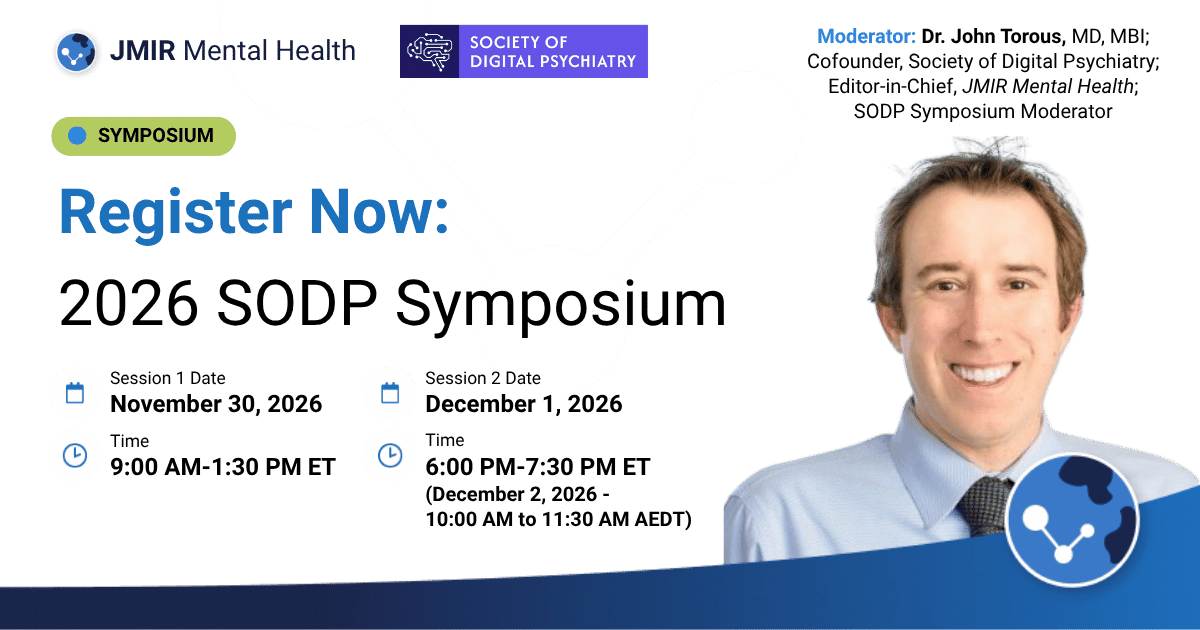
The 2026 Society of Digital Psychiatry Symposium
Session 2: December 1, 2026 - 6:00 PM-7:30 PM ET | December 2, 2026 - 10:00 AM to 11:30 AM AEDT
Why should I attend?
The 2026 Society of Digital Psychiatry Symposium is a FREE gathering focused on the intersection of Artificial Intelligence and mental healthcare. As we gather leaders and industry pioneers, this event offers a unique platform for exploration and collaboration of the latest AI advancements within the mental health landscape.
Here is what makes this year’s symposium stand out:
- A Flexible, Multi-Day Format: To better fit your busy schedule, we have reimagined our format. Instead of a single long session, this year features shorter, bite-sized talks spread across multiple days on November 30, 2026 and December 1, 2026.
- An Expanded Lineup: We are growing! This year’s event features an expanded schedule of dynamic talks and expert speakers covering the absolute cutting edge of digital psychiatry.
- Active Community Moderation: We will be guiding the conversations as your moderators, with additional co-moderators in attendance this year.
- NEW Rapid Fire Research Hour: Selected researchers will have 5 minutes to share their latest research in digital mental health
Agenda Day 1
| Day 1: US/UK block, Monday, Nov 30, 2026 (All times ET) | ||
| 9:00–9:20 AM |
Speaker: Daniel Fulford, PhD Moderator: Gillian Strudwick, RN, PhD, FAMIA, FCAN, FIAHSI |
|
| 9:20–10:00 AM | Break | |
| 10:00–10:20 AM |
Speaker: Simon Goldberg, PhD Moderator: Julian Schwarz, MD |
Title: Promoting Well-being at Scale Meditation apps have emerged as one of the most widely used digital mental health interventions. However, many questions remain regarding this approach. Do they work and, if so, how and for whom? How might they be designed to work better? Using data from a series of clinical trials we have conducted testing a freely available meditation app (Healthy Minds Program), this talk will explore these questions and potential futures of digitally-supported meditation training. |
| 10:25–10:45 AM |
Speaker: Kelila Kahane, MD, MPH Moderator: Julian Schwarz, MD |
Title: Who's Minding the Bots? Where US Federal Policy on AI in Mental Health Stands Federal regulation of AI chatbots in mental health is evolving through federal agencies, while at the time of this writing stalled in congress. The GUARD Act and the CHATBOT Act have advanced in committee, yet neither has reached a floor vote. Meanwhile, federal agencies are moving ahead. On October 1, FDA listed a draft guidance on generative AI devices for mental disorders as a top priority for fiscal year 2027, and through CMS's ACCESS model and FDA's TEMPO pilot, AI mental health tools are already being paid for and used in Medicare without full FDA authorization. Because these developments are scattered across agencies, it can be hard to keep track of and peice together, even for those building and studying these tools often see only part of the picture. This talk lays out the full US federal landscape, covering Congress, the FTC's inquiry into AI companion companies, FDA's emerging framework for evaluating these tools, and the ACCESS and TEMPO pilots. It explains how each piece works, how they fit together, and what to watch for as FDA's draft guidance takes shape. |
| 10:45–11:00 AM | Break | |
|
11:00 AM–12:30 PM Rapid Research Hour |
||
| Moderators: John Torous, MD, MBI and Kathryn Taylor Ledley, BA | ||
| 11:00–11:05 AM | Clàudia Valenzuela Pascual, PhD Student |
Title: The impact of bipolar disorder illness course on heart rate and electrodermal activity. Clàudia Valenzuela Pascual is a PhD candidate at the Hospital Clinic and University of Barcelona, working under the supervision of Dr. Diego Hidalgo Mazzei and Prof. Eduard Vieta. Her doctoral research focuses on applying physiological signals from wearable devices, including electrodermal activity, skin temperature, and heart rate, to characterize mood states and predict treatment response in bipolar disorder and treatment-resistant depression. She has contributed to over 20 peer-reviewed publications and 11 national and international congresses. |
| 11:07–11:12 AM | Julian Herpertz, MD | |
| 11:14–11:19 AM | Aislin Mushquash, PhD, C.Psych. | |
| 11:21–11:26 AM | Candice Biernesser, PhD, LCSW |
Title: A Digital Suicide Prevention Intervention for Underserved Adolescents Experiencing Online Victimization Online victimization, encapsulating online bullying, harassment, and discrimination, occurs commonly among adolescents and has been associated with suicidal thoughts and behaviors. Schools and clinical services face key barriers in addressing the co-occurrence of these issues, including low rates of adolescents disclosing online victimization events and lack of programing tailored for the intersection of online victimization and suicide risk. Flourish is a text messaging and web-based intervention designed to support adolescents in moments after they experience online victimization to reduce suicide risk. Flourish supports social problem-solving in response to online victimization, offers coping skills to support distress tolerance, and motivates adolescents to seek help for online victimization with trusted adults in their lives. Through co-design with LGBTQ+ youth and youth of color and interviews with school and mental health professionals, Flourish was designed to meet the needs of adolescents from underserved communities and to connect with services in schools and outpatient clinical care. Through a platform designed to meet youth where they are and in moments they most need support, Flourish offers a potentially scalable approach to addressing the intertwined challenges of online victimization and suicide risk. |
| 11:28–11:33 AM | Dong Whi Yoo, PhD | Dong Whi Yoo, PhD, is an Assistant Professor of Human-Centered Computing at Indiana University Indianapolis. His research focuses on human-centered AI and digital mental health, with an emphasis on understanding how people interact with AI technologies in sensitive mental health contexts. His current work investigates the potential harms and safety of general-purpose AI chatbots for individuals with mental health conditions, including substance use disorders. He received his PhD in Human-Centered Computing from the Georgia Institute of Technology. |
| 11:35–11:40 AM | Eden Shaveet, MS, PhD Student | Eden Shaveet is a PhD student at Cornell Tech in the People-Aware Computing Lab where she examines the relationship between social media, visual attention, and body image, and develops efficient approaches to detect explicitly and contextually harmful content for users with and vulnerable to severe body image disturbance and disordered eating. She holds an MS in Health Informatics and Analytics from Tufts University School of Medicine and completed post-baccalaureate training as a Bridge to Ph.D. Scholar at Columbia University in the Department of Computer Science. Eden is an NSF Computer and Information Science and Engineering Graduate Fellow and a 2023 winner of the Patient Safety Technology Challenge. |
| 11:42–11:47 AM | Faith Ndebele, MD | |
| 11:49–11:54 AM | Benji Illingworth, PhD Student | |
| 11:56 AM–12:30 PM | Group Q&A | |
| 12:30–1:10 PM | Break | |
| 1:10–1:30 PM |
Speaker: Francesca Edelmann, BSc Moderator: Michelle Patriquin, PhD, ABPP |
Title: Wellcome funded project focusing on clarifying the regulation and evaluation of digital mental health technologies. |
Agenda Day 2
| Day 2: Australia block ,Tuesday, December 1 (All times ET) | ||
| 6:00–6:25 PM (Wed, 10:00 AM AEDT) |
Speaker: Jake Linardon, PhD Moderator: Allison G. Dempsey, MEd, PhD |
Title: Do Different Chatbot Architectures Work Better for Depression and Anxiety? Comparing Rule-Based, Machine Learning, and Large Language Model Chatbots in a Network Meta-Analysis This presentation will report findings from a network meta-analysis examining the comparative efficacy of three classes of conversational agents – rule-based, machine-learning, and large language model chatbots – for reducing symptoms of depression and anxiety. Drawing on 66 randomized controlled trials, the analysis integrates direct and indirect evidence to estimate the effects of each chatbot class relative to control conditions and to compare their relative benefits with one another. The presentation will also consider heterogeneity, consistency of the evidence network, and the extent to which current evidence supports differential effects across chatbot architectures. |
| 6:30–6:55 PM (Wed, 10:30 AM AEDT) |
Speaker: Alyssa Milton, PhD Moderator: Laura Ospina-Pinillos, MD, PhD |
Title: Co-Production and Translational Research in Mental Health Services: Building Digital Mental Health Interventions with People, Not for Them |
| 7:00–7:25 PM (Wed, 11:00 AM AEDT) |
Speaker: Claudia Liu, PhD Moderator: Margaret R. Emerson, DNP, APRN, PMHNP-BC |
Title: Promise versus Practice: The Engagement Problem in Digital Mental Health The promise of digital mental health interventions (DMHIs) as a scalable solution to the treatment gap has been consistently undermined by poor engagement. While initial uptake with DMHIs may appear encouraging, many users disengage prematurely, and those who stay often use their DMHIs far less than intended. This presentation will provide a broad overview of the current state of engagement research in digital mental health field, discuss (1) why DMHI engagement remains low and (2) why efforts to predict engagement have been met with limited success. The presentation will conclude by outlining key priority areas for research to improve understanding and prediction of engagement with DMHIs. |


Kathryn Taylor Ledley, BA
Kathryn Taylor Ledley holds a bachelor's degree in Psychology from Providence College. She is now a clinical research assistant in the digital psychiatry division, in the Department of Psychiatry at Beth Israel Deaconess Medical Center, a Harvard Medical School affiliated teaching hospital. Kathryn also serves as a co-leader of the Society of Digital Psychiatry.
John Torous, MD, MBI
Cofounder, Society of Digital Psychiatry
Dr. Torous is director of the Digital Psychiatry division in the Department of Psychiatry at Beth Israel Deaconess Medical Center and a faculty member at Harvard Medical School. With a background in electrical engineering from UC Berkeley, he earned his MD at UC San Diego and completed his psychiatry residency, clinical informatics fellowship, and master’s in biomedical informatics at Harvard. An expert in mobile mental health technologies, he has published over 200 peer-reviewed articles and 5 book chapters. Dr. Torous also serves as editor-in-chief of JMIR Mental Health and a cofounder of the Society of Digital Psychiatry.

Allison G. Dempsey, MEd, PhD
Allison Dempsey is the director of Informatics, Department of Psychiatry, director of Technology, CU Brain and Behavior Innovation Center, director of Connections Program for High-Risk Infants and Families, and interim director of Perinatal and Family Services, DOPsych Women's Behavioral Health and Wellness. In addition, Dr. Dempsey is a professor at the University of Colorado Anschutz Medical Campus.
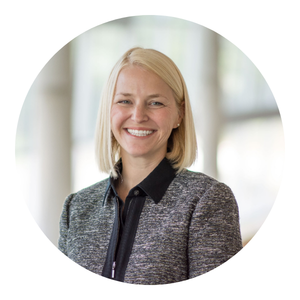
Margaret R. Emerson, DNP, APRN, PMHNP-BC
Dr. Margaret Emerson is a board-certified Psychiatric Mental Health Nurse Practitioner, Clinical Associate Professor at UNMC, and digital mental health researcher. She leads grant-funded projects focused on integrated care, mHealth app evaluation, and improving digital literacy among clinicians and patients, with an emphasis on expanding access in underserved and rural communities.
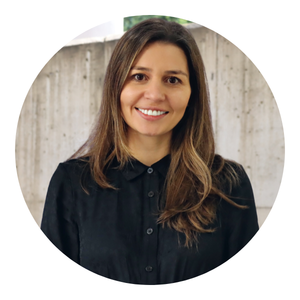
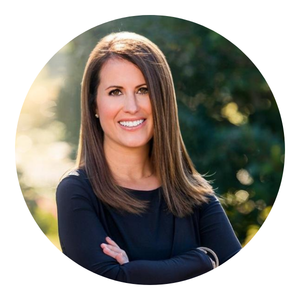
Laura Ospina-Pinillos, MD, PhD
Dr. Laura Ospina-Pinillos is an Assistant Professor at Pontificia Universidad Javeriana and a Child and Adolescent Psychiatrist with over 15 years of clinical and research experience. She combines psychiatry, technology, and participatory methods to design and implement digital tools that address the mental health needs of young people, with a strong focus on cultural adaptation and reducing the treatment gap in low- and middle-income countries. She has led national and international initiatives in partnership with health systems, universities, and global organizations, translating research into scalable interventions and publishing widely. In 2022, she was recognized by the Inter-American Development Bank as a Woman Champion in Digital Health in Latin America and the Caribbean for her leadership in advancing equitable and inclusive youth mental health care.
Michelle Patriquin, PhD, ABPP
Michelle Patriquin serves in multiple roles at UTHealth Houston: she is assistant dean for digital health & innovation in the School of Behavioral Health Sciences, co-director of research and a clinical psychologist at the John S. Dunn Behavioral Sciences Center, and an associate professor in the Department of Psychiatry & Behavioral Sciences.


Julian Schwarz, MD
Julian Schwarz leads the working group for Digital Psychiatry and is an assistant professor at Brandenburg Medical School in Germany, where he also serves as senior consultant psychiatrist for a Home Treatment Team and an outpatient unit specializing in severe mental illness at the Immanuel Deaconess Medical Center, the university hospital of Brandenburg Medical School.
Gillian Strudwick, RN, PhD, FAMIA, FCAN, FIAHS
Dr. Gillian Strudwick is a registered nurse and serves as the interim scientific director of the Digital Innovation Hub, chief clinical informatics officer, and senior scientist at the Centre for Addiction and Mental Health (CAMH) in Toronto. In addition, Dr. Strudwick is an associate professor at the Institute of Health Policy, Management and Evaluation at the University of Toronto.


Candice Biernesser, PhD, LCSW
Dr. Biernesser is a behavioral health scientist and licensed clinical social worker, currently appointed as Assistant Professor of Psychiatry at the University of Pittsburgh. Her research interests rest in three areas: adolescent suicide prevention, the study of social media experiences, and the development and testing of digital interventions. Her current line of research focuses on examining ways to understand and mitigate the impact of negative social media experiences, particularly focusing on online victimization given its linkage to suicide risk among youth. She is passionate about developing digital interventions to improve the mental health of adolescents from underserved and minoritized communities. She and her team have been integral to the development, testing, and implementation of a range of digital tools including a smartphone app, texting program, chatbot, and web-based tools through funding from the National Institute of Mental Health and American Society for Suicide Prevention.
Francesca Edelmann, BSc
Francesca Edelmann, BSc

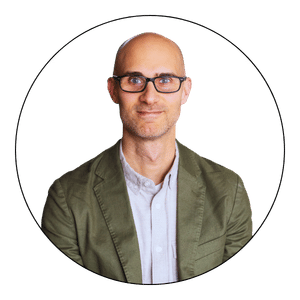
Daniel Fulford, PhD
Daniel Fulford, PhD, is an Associate Professor at Boston University, with joint appointments in Occupational Therapy and Psychological & Brain Sciences. He also co-directs BU’s Mobile and Electronic Health Affinity Research Collaborative. He earned his BA from UCLA and his PhD in Clinical Psychology from the University of Miami. He then completed a postdoctoral fellowship at UCSF. He is also a licensed clinical psychologist.
His research brings together psychiatric rehabilitation, clinical psychological science, and digital health. He focuses on motivation and social functioning in serious mental illnesses such as schizophrenia and bipolar disorder. He uses mobile technologies, including experience sampling and passive sensing, to measure and treat low motivation and social disconnection in daily life. He has published more than 100 papers and co-authored Social Skills Training for Schizophrenia: A Step-by-Step Guide (2024). He is an Associate Editor of the Journal of Psychopathology and Clinical Science and reviews grants for NIH and NSF.
Simon Goldberg, PhD
Dr. Simon Goldberg is an Associate Professor in the Department of Counseling Psychology and Core Faculty at the Center for Healthy Minds at the University of Wisconsin – Madison. He conducts research on psychological interventions, with an emphasis on the effects of and mechanisms underlying meditation- and mindfulness-based interventions. He is currently focused on the development and testing of digital meditation training. He is employing hybrid factorial and micro-randomized designs to optimize and personalize this approach for reducing depression and anxiety. His work has been funded by NIH and has been featured in The New York Times, The Atlantic, and Scientific American.

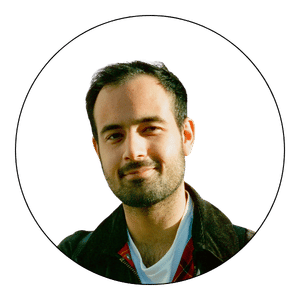
Julian Herpertz, MD
Julian Herpertz, MD is a physician-scientist and psychiatry resident at Charité – Universitätsmedizin Berlin, Germany. As a postdoctoral research fellow funded by the German Research Foundation (DFG), he was a visiting researcher with the Division of Digital Psychiatry at BIDMC (2025–2026). His research examines how people use large language models for health and mental health questions and evaluates the safety and effectiveness of digital mental health tools.
Benji Illingworth, PhD Student
Benjamin Illingworth is an Honorary Specialist Registrar in Psychiatry at Cambridgeshire and Peterborough NHS Foundation Trust and a PhD student at the University of Cambridge. He studied Medicine (MBBS) and Neuroscience (BSc) at University College London and is a member of the Royal College of Psychiatrists (MRCPsych). He has a background in cognitive neuroscience and is involved in the Mental Health Mission, a large NIHR-funded cohort study which utilises remote smartphone cognitive tests in patients with psychosis. Dr. Illingworth is interested in examining how feasible, acceptable and implementable these forms of cognitive testing are in this patient group, and how best to translate these forms of cognitive testing into routine clinical use.


Kelila Kahane, MD, MPH
Kelila Kahane, MD, MPH, is a psychiatrist whose work focuses on the regulation of AI and digital mental health tools in the United States. She is a consultant to the FDA's Digital Health Advisory Committee, a corresponding member of the APA's Council on Digital Health, Innovation, and Technology, and an editor at JMIR Mental Health. She has first-authored papers on the regulation of mental health AI and of digital mental health products, one of which was cited by The New York Times. She has also authored a forthcoming book chapter on social media regulation and youth mental health, co-edits a new digital psychiatry column in the Journal of Psychiatric Practice, and is currently examining state legislation on AI chatbots. Dr. Kahane completed her general psychiatry residency at Harvard Medical School/Beth Israel Deaconess Medical Center, holds an MPH from the Harvard T.H. Chan School of Public Health, and is currently a second-year fellow in child and adolescent psychiatry at NewYork-Presbyterian/Columbia University and Weill Cornell Medical Center.
Jake Linardon, PhD
Dr Jake Linardon is an Associate Professor at Deakin University, Australia. His research focuses on digital mental health, with particular interest in understanding their benefits and risks in individuals with eating disorders.


Claudia Liu, PhD
Dr Claudia Liu is a Postdoctoral Researcher at the Deakin Lifespan Institute in Australia. Her research interests include developing and testing digital interventions for eating disorders and body image concerns, with a special focus on understanding engagement with digital mental health tools. Claudia also has expertise in school-based research as the project coordinator of a large hybrid type II effectiveness-implementation trial of an eating disorder prevention program in Australian primary schools.
Alyssa Milton, PhD
Associate Professor Alyssa Milton is a psychologist and research academic in the University of Sydney’s Faculty of Medicine and Health. She is Director of Knowledge Transfer at the Australian Research Council Centre of Excellence for Children and Families over the Life Course, President-Elect of the Society for Mental Health Research, and Co-Chair of the Sydney Health Partners Mental Health Clinical Academic Group.
Alyssa is the lead Chief Investigator on two nationally funded digital health programs that use co-production. MyPREP-ED is an implementation–effectiveness trial of a digital tool that helps young people prepare to leave early psychosis services. SiMPliCITy is developing and testing a peer-supported digital tool to help people living with schizophrenia manage their physical health.

Aislin Mushquash, PhD, C.Psych.
Aislin Mushquash, PhD, C.Psych.
Faith Ndebele, MD
Faith Ndebele, MD
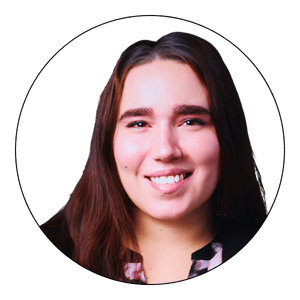
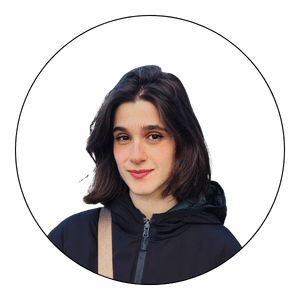
Eden Shaveet, MS, PhD Student
Eden Shaveet is a PhD student at Cornell Tech in the People-Aware Computing Lab where she examines the relationship between social media, visual attention, and body image, and develops efficient approaches to detect explicitly and contextually harmful content for users with and vulnerable to severe body image disturbance and disordered eating. She holds an MS in Health Informatics and Analytics from Tufts University School of Medicine and completed post-baccalaureate training as a Bridge to Ph.D. Scholar at Columbia University in the Department of Computer Science. Eden is an NSF Computer and Information Science and Engineering Graduate Fellow and a 2023 winner of the Patient Safety Technology Challenge.
Clàudia Valenzuela Pascual, PhD Student
Clàudia Valenzuela Pascual is a PhD candidate at the Hospital Clínic and University of Barcelona, working under the supervision of Dr. Diego Hidalgo Mazzei and Prof. Eduard Vieta. Her doctoral research focuses on applying physiological signals from wearable devices, including electrodermal activity, skin temperature, and heart rate, to characterize mood states and predict treatment response in bipolar disorder and treatment-resistant depression. She has contributed to over 20 peer-reviewed publications and 11 national and international congresses.

Dong Whi Yoo, PhD
Dong Whi Yoo, PhD, is an Assistant Professor of Human-Centered Computing at Indiana University Indianapolis. His research focuses on human-centered AI and digital mental health, with an emphasis on understanding how people interact with AI technologies in sensitive mental health contexts. His current work investigates the potential harms and safety of general-purpose AI chatbots for individuals with mental health conditions, including substance use disorders. He received his PhD in Human-Centered Computing from the Georgia Institute of Technology.
Are you interested in sponsoring The 2026 Society of Digital Psychiatry Symposium? Email marketing@jmir.org to get the conversation started.